
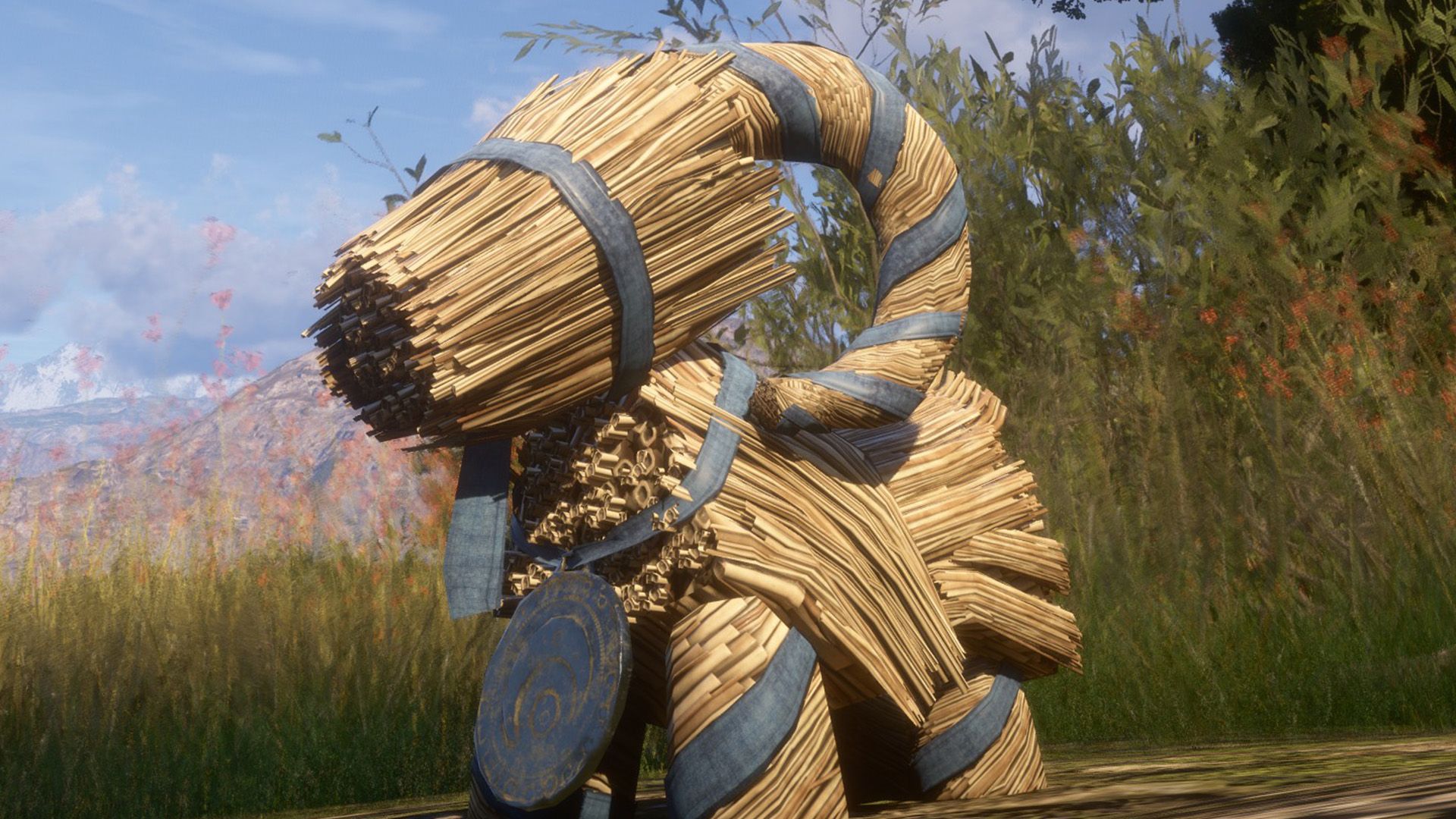
Celebrate Yule in-game with a limited-time event!
Hello Paxians,
We recently unveiled our upcoming temporary Yule in-game celebrations, and we’re happy to share that the event will run from December 17, 2025, after maintenance (around 11 am UTC), to January 13, 2026!
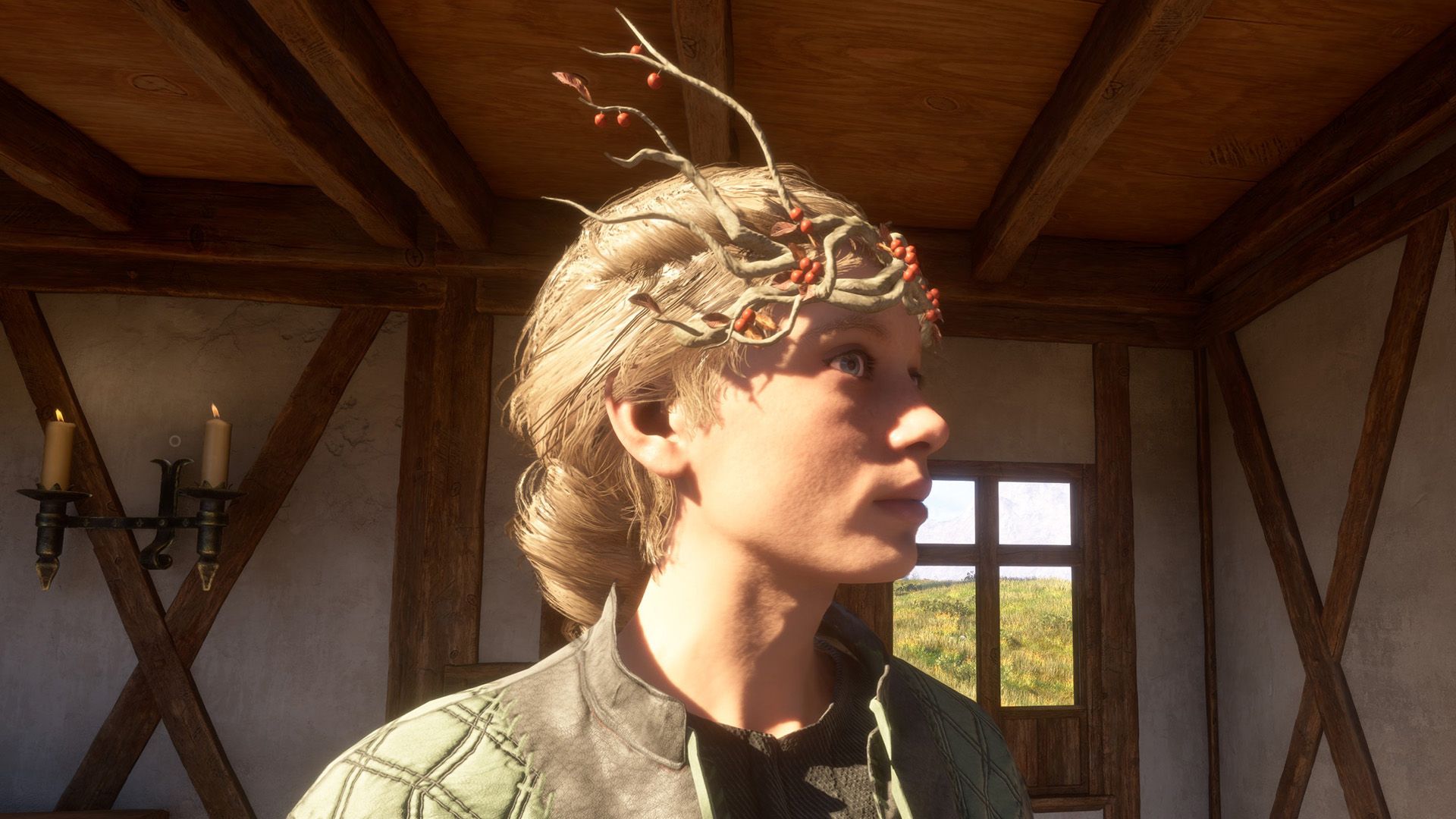
This month-long celebration will give you plenty of time to gather ingredients and craft our festive Yule recipes. To begin, you’ll need to craft (on the Log workbench) and equip your Yule Charm, which will unlock access to Yule-exclusive resources. If you unequip it, you won’t be able to see these resources. From there, you can explore all the seasonal recipes—and even prepare a few extra items to trade or sell once the event comes to an end. 😉
We’re looking forward to seeing your homes, villages, and market stalls transformed with seasonal decorations, and of course, your characters proudly wearing their new festive attire.
For our lore aficionados, we’ve also prepared a short text exploring the origins of Yule in Pax Dei and the symbolism of the goat.
The Legend of the First Goat
As grandma told it every winter.
The ancients said that in the First Winter, before people knew how to mourn or remember, the dead wandered.
The Veil was thin, but the paths were dark, and nothing guided the lost souls home. Even Meirothea, whose moonlight softened the night, could not illuminate every place where sorrow hid.
One evening, as she walked across the frost, Meirothea found a child’s spirit sitting beneath a bare tree. The child was cold, afraid, unable to speak their own name, for humanity had not yet learned a true language, only a handful of words, and none for grief or mourning.
Meirothea knelt and whispered, “Little one, follow my voice.” But the child could not rise. Their feet were tangled in shadows.
So, Meirothea called for her wolf. But the wolf’s steps were too heavy, and the shadows grew wary of his teeth.
Then, Meirothea called for her bird. But the bird’s wings could not reach the low places where sorrow pools.
So Meirothea called out a third time, into the stillness of the world: “If any creature knows the hidden roads, show them to me.”
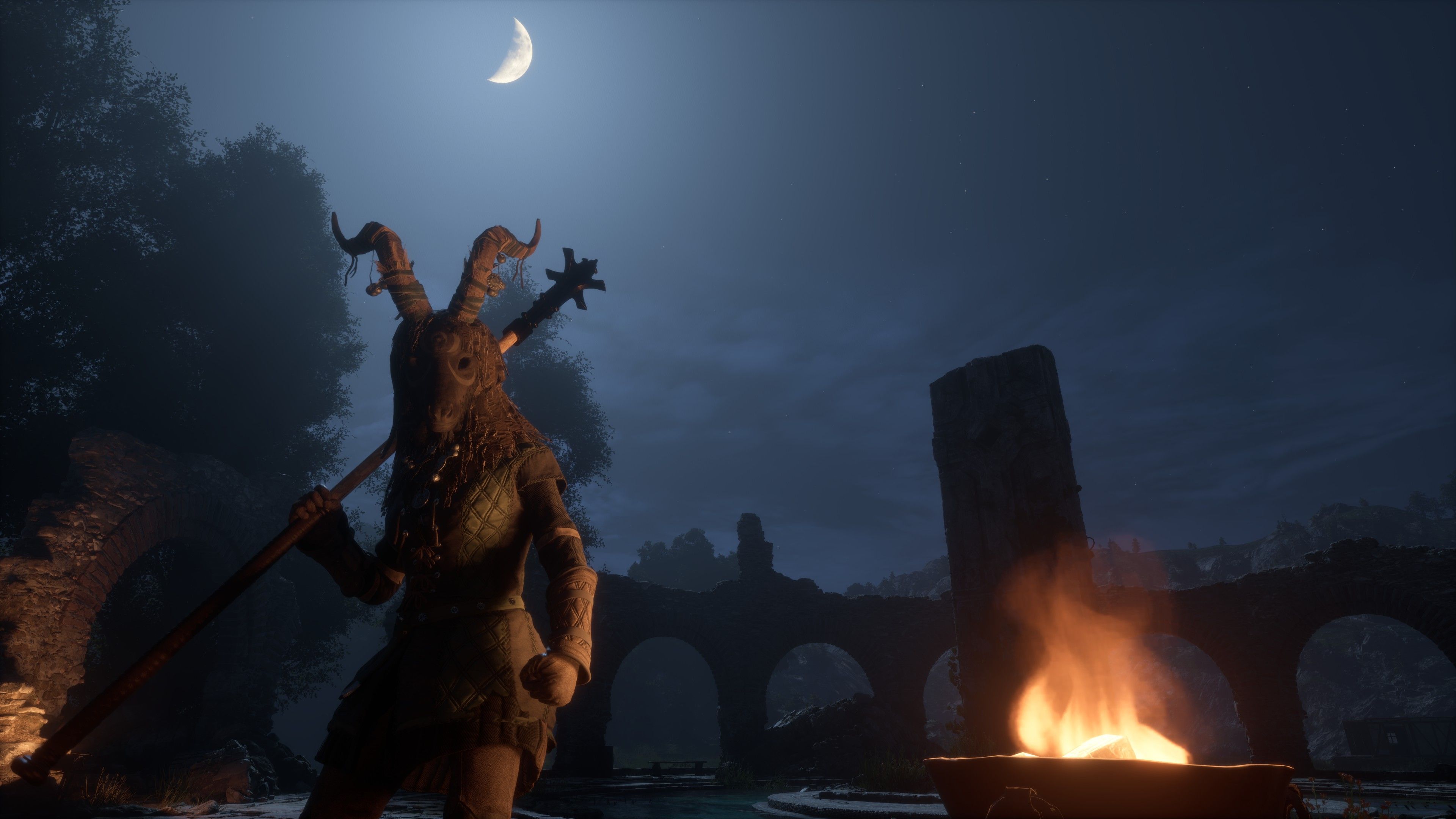
From the dark roots of the tree, a small shape emerged. A creature with bright eyes, nimble hooves, and horns like twin crescent moons. It bowed to Meirothea, as though it had been waiting for her to speak.
The goat stepped to the child’s spirit and gently touched them with its horn. Where it touched, the shadows loosened. The goat turned, walking a path that had not existed the moment before, a path that wound between the thorns of sorrow and the deep drifts of forgetfulness. And the child followed.
When they reached the Veil, the goat returned to Meirothea and bowed again. “Why do you help the lost?” the Redeemer asked. The goat did not speak, goats still rarely do, but it placed its forehead against her hand, and she understood: “Because the living rarely look downward, and the dead often do.”
From that day, the goat walked before Meirothea in all winter journeys. Its hooves found every hidden road. Its horns broke every snare of shadow. And its bright eyes reflected every soul who sought the way home.
So at Yule, we weave little straw goats to honor the First Guide. We place them in doorways, on hearths, or beside the fire or a lantern, believing the goat still walks unseen, clearing a path for the spirits of the departed.
And we say: “A wolf guards, a bird warns, but a goat leads you home.”
Happy Yule to everyone!
Pax vobiscum,
The Mainframe Team